

 (888) 519-1422
  FREE Spec-Out Request
 Rental Emergency 24/7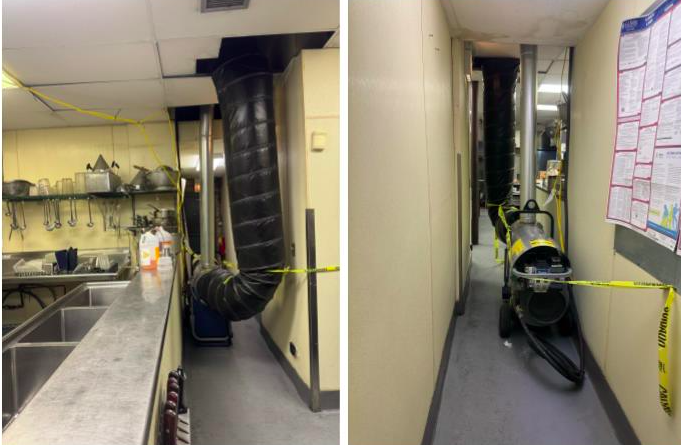
By Porta Air, Indirect Fired Heat, Wicker Park, Chicago — Winter 2025
In the heart of Chicago’s vibrant Wicker Park neighborhood, the Urban Deli is a staple for locals and commuters alike. However, during a brutal stretch of the 2025 winter, the deli faced a crisis that threatened to shutter its doors: the permanent heating system suffered a catastrophic failure.
In the culinary world, a cold dining room is just as bad as a cold kitchen. To keep the sandwiches pressing and the customers comfortable, a sophisticated temporary heating solution was required. The answer came in the form of a high-capacity indirect-fired heater and a clever bit of mechanical engineering.
The Challenge: Clean Air and High Capacity
Unlike construction sites that can use direct-fired heaters, a functioning restaurant like Urban Deli requires "clean" heat. Indirect-fired heaters are the gold standard for this application. They utilize a heat exchanger to ensure that the flame and combustion byproducts never mix with the air being sent into the building. The result is 100% breathable, fume-free, and dry air—essential for food service environments.
The Installation: Interfacing with the Existing Infrastructure
The installation at Urban Deli was not a simple "plug-and-play" setup. It required a strategic interface with the building´s downed HVAC system to ensure heat reached every corner of the customer seating area.
1. The Flue Pipe Integration
Safety is paramount when operating large-scale heaters in downtown Chicago. The temporary unit was positioned so that its flue pipe could be ducted directly into the existing flue of the permanent heating system above the drop ceiling. This allowed all combustion gases to be vented safely through the building´s original exhaust stack, maintaining the aesthetic and safety standards of the Wicker Park area.
2. Utilizing the Existing Blower
To distribute the heat effectively without running unsightly ductwork through the dining room, the Porta Air team performed a "blower interface." The main supply duct from the rental unit was connected directly to the cabinet of the deli´s permanent HVAC system.
By setting the existing unit’s blower to run constantly, the Porta-Air team used the building´s original ductwork to carry the temporary heat to all areas of the restaurant. The portable heating rental unit provided the thermal energy, while the building´s own fan acted as the delivery vehicle, ensuring a steady flow of hot air through the ceiling diffusers.
Results: Seamless Comfort
Despite the sub-zero temperatures outside, the seating area at Urban Deli remained a toasty refuge. The indirect heater provided enough capacity to keep the ambient temperature stable even with the constant opening and closing of the front doors.
"It was a surgical installation," noted one of the technicians on-site. "By interfacing with the existing blower and flue, we kept the restaurant running without a single space heater on the floor. Most customers didn´t even realize the main heat was down."
A Model for Urban Business Continuity
The Urban Deli project serves as a prime example of how temporary climate control can save a business from downtime. In high-density areas like Downtown Chicago, where space is a premium and safety codes are strict, the ability to interface rental equipment with permanent infrastructure is the key to a successful "rescue" operation. If your project requires our help, please do not hesitate to give us a call for a free spec-out.