

 (888) 519-1422
  FREE Spec-Out Request
 Rental Emergency 24/7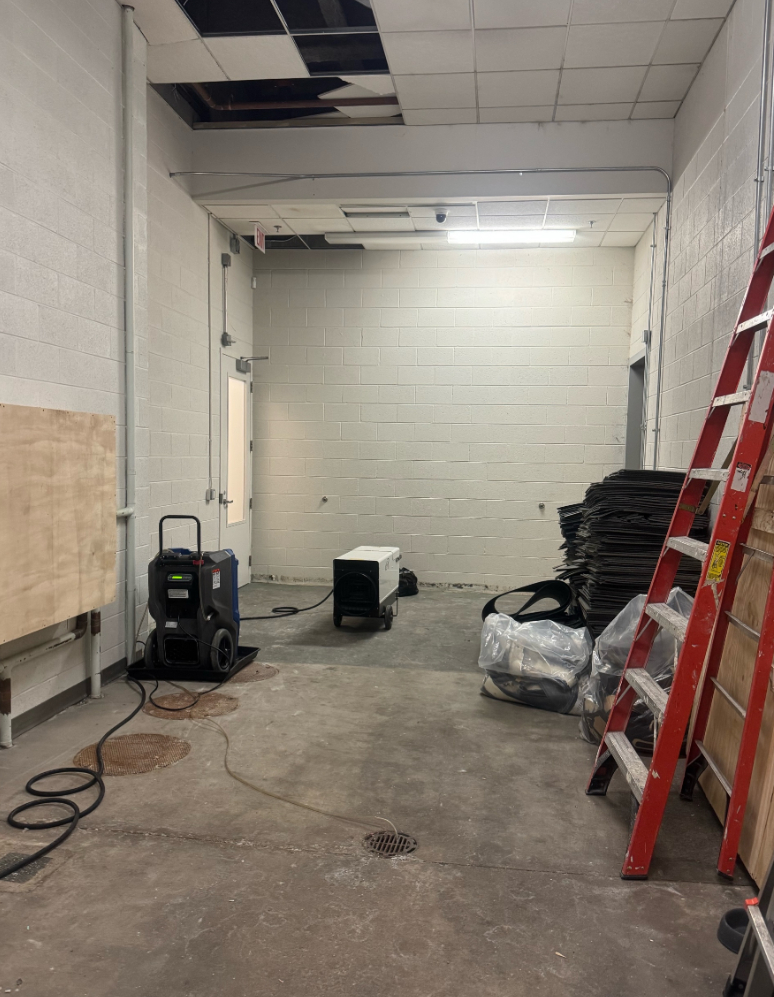
CHICAGO, IL — The West Loop and Fulton Market district is globally recognized for its booming commercial real estate, bustling hospitality scene, and high-end industrial lofts. However, when building infrastructure fails in the dead of a Chicago winter, these valuable properties are immediately put at risk. Recently, a critical heater failure in a Fulton Market facility led to a water pipe burst, causing flooding and bringing operations to an abrupt halt.
While the cleanup was swiftly managed, the incident serves as a stark reminder for property managers across the city: when it comes to temporary climate control, a reactive approach is always the most expensive option.
The Rescue: Drying Out Downtown
Once the main water lines were shut off and the immediate pooling was extracted, the facility faced a secondary, equally destructive threat: lingering moisture and freezing ambient temperatures. To salvage the drywall, flooring, and underlying infrastructure, the space required immediate, intense, and dry heat.
Porta-Air was dispatched to the scene for a rapid-response rescue. To safely dry the area and restore operational temperatures, the team deployed a heavy-duty LB White 460V electric heater with the aid of an Dri-eaz dehumidifier.
This specific equipment was chosen for a few critical reasons:
- Clean, Dry Heat: Unlike direct-fired gas heaters which introduce water vapor as a byproduct of combustion, electric heaters provide 100% dry heat. This is absolutely essential for accelerating evaporation and preventing mold growth after a flood.
- High-Voltage Power: Operating on 460V, the LB White unit delivers massive thermal output capable of bringing large, drafty commercial spaces up to temperature quickly.
- Turnkey Deployment: In the chaos of a water disaster, property managers cannot afford to manage complex equipment logistics. Porta-Air handled the entire deployment as a turnkey operation, managing the electrical routing, safe installation, and optimal unit placement.
The Hard Lesson: Proactive vs. Reactive
While Porta-Air´s turnkey response successfully halted further damage and dried the facility, the underlying narrative is one of preventable loss. The costs associated with emergency water extraction, structural repairs, and forced operational downtime completely dwarf the price of temporary heating.
When the building´s primary heating system initially failed, the clock started ticking. Had temporary, turnkey electric heat been deployed proactively while the main system was awaiting repairs, the ambient temperature would have remained safely above freezing. The pipe would never have burst.
In commercial property management, hoping the weather holds out is a dangerous gamble. Deploying emergency climate control ahead of a freeze isn´t just an operational preference; it is a critical financial safeguard that saves immense time, money, and stress.