

 (888) 519-1422
  FREE Spec-Out Request
 Rental Emergency 24/7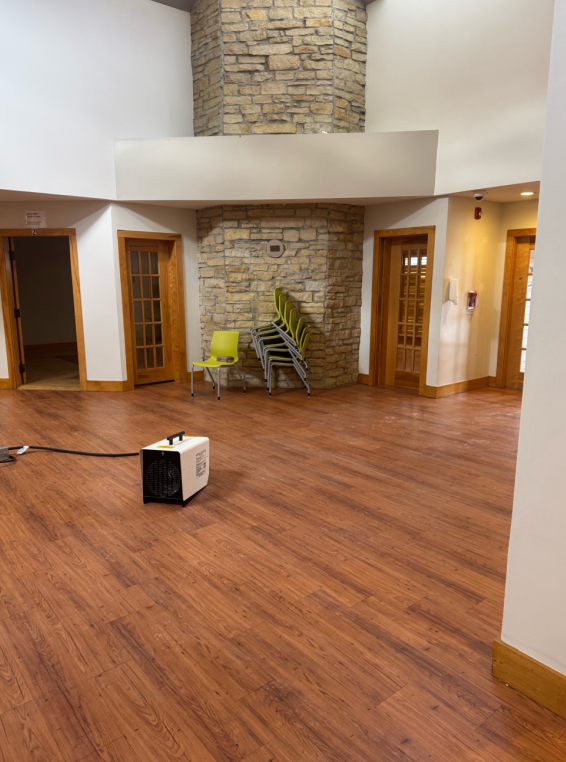
Lemont, IL — The harsh, biting winters of the Chicagoland suburbs are notorious for putting infrastructure to the test. But while occupied buildings benefit from constant, monitored climate control, vacant commercial properties face a silent and highly destructive threat: plummeting indoor temperatures and the catastrophic risk of frozen water pipes.
For property managers overseeing unoccupied buildings—such as a chain of newly vacant commercial spaces in Lemont, IL—maintaining a baseline indoor temperature isn´t just a precaution; it´s a critical line of defense. Relying on temporary electric heaters is rapidly becoming the gold standard for winterizing empty properties, acting as an inexpensive insurance policy against devastating infrastructure failures such as ruptured pipes.
The Cascading Disaster of a Busted Pipe
When a commercial building is left completely unheated during an Illinois winter, the water trapped inside the facility´s plumbing system inevitably freezes. As water turns to ice, it expands with immense force, easily shattering copper, PVC, and iron pipes.
The true disaster, however, begins when the temperature rises. The subsequent thaw unleashes a deluge of pressurized water into the vacant space. Without immediate intervention, a single busted pipe can cause catastrophic damage, including:
- Ruined Finishes: Total destruction of interior drywalls, custom woodwork, and expensive flooring (such as the wood-laminate surfaces common in modern commercial spaces).
- Structural and Biological Threats: Deep-set water damage leading to rotting subfloors and severe mold or mildew remediation requirements.
- Financial Ruin: Massive insurance deductibles, skyrocketing future premiums, and the complete loss of the property´s immediate leasing viability.
Electric Heaters as Proactive Insurance
Rather than rolling the dice against Mother Nature, savvy facility managers view temporary electric heating as a necessary, high-return investment. In the vacant Lemont properties, protecting the high-end interior finishings—featuring expansive layouts and custom stonework—required a reliable, continuous heat source.
To combat the creeping cold and keep the plumbing safe, industrial-grade electric heaters were strategically deployed throughout the facilities.
Technical Deployment Specifications:
- Targeted Heating Capacity: A network of heavy-duty 6kW and 9kW portable electric heaters was distributed across the vacant footprint. These units provide enough steady, ambient warmth to keep the entire building´s internal temperature safely above the freezing point.
- Dedicated Power Sources: Commercial heaters draw significant power. To safely accommodate the electrical load without risking tripped circuits or fire hazards, these specific units were wired to run off dedicated 30-amp and 50-amp breakers within the buildings´ main electrical panels.
- Unobtrusive Operation: The compact, low-profile heaters seamlessly integrate into the empty spaces. They operate independently of the dormant central HVAC systems, working silently to protect the vital plumbing infrastructure hidden behind the walls.
A Calculated, Smart Investment
Investing in a temporary electric heating solution for a vacant property is one of the most cost-effective decisions a property owner can make during the winter months. The operational cost of running a few 6kW and 9kW units is negligible compared to the hundreds of thousands of dollars—and months of lost time—required to gut and rebuild a flooded commercial space.
By ensuring the heat stays on even when the lights are off, property managers in Lemont are successfully securing their investments and ensuring their buildings are ready for their next tenants, no matter how cold it gets outside.